

Repair or Replace Your Furnace? A Middle TN Homeowner's Decision Guide
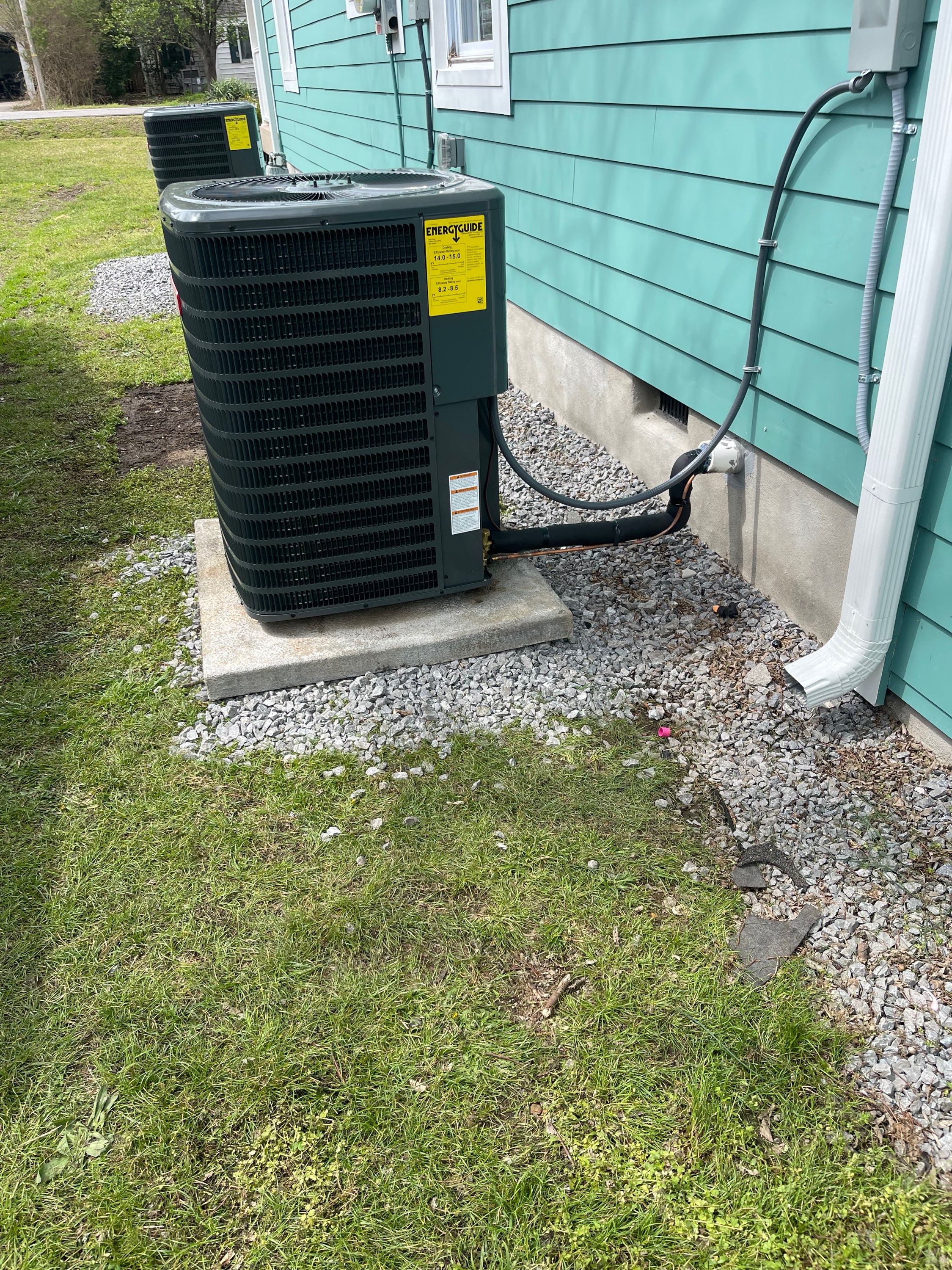
Every furnace owner eventually faces the same question, usually standing in a cold house: is this repair worth it, or is it time to replace? There's no honest one-line answer — but there is a honest way to decide, and it comes down to four things: age, repair history, efficiency, and safety.
1. Age: Know Your Furnace's Decade
Most gas furnaces last roughly 15–20 years with maintenance; heat pumps typically run shorter, roughly 10–15 years in Middle Tennessee use. Age alone doesn't condemn a system — a well-maintained 16-year-old furnace can be a perfectly good repair candidate, and a neglected 10-year-old can be done. But past about 15 years, every major repair deserves the replacement conversation, because you're buying time on a system that's statistically near the end of it.
Not sure how old yours is? The model plate inside the furnace cabinet carries the manufacture date or a serial number that encodes it — we check it on every service call.
2. Repair History: One Repair Is a Repair. Three Is a Pattern.
A single repair on a mid-life system is normal ownership. The pattern to watch is frequency and escalation: two or more breakdowns in the last two winters, or a repair quote that's a large fraction of what a new system would cost, changes the math. Money spent keeping a failing system alive doesn't come back — and it tends to fail next on the coldest night of the year, when it matters most and options are fewest.
A common rule of thumb in the industry: if the repair costs more than half the price of a new system and the furnace is over 15 years old, replacement usually wins. It's a rule of thumb, not a law — your actual numbers are what count, which is why we quote both paths in writing when a repair gets big.
3. Efficiency: The Bills Are Data
Older furnaces commonly run at about 80% efficiency or below; modern systems do meaningfully better, so a growing share of every gas bill is heat going up the flue instead of into your rooms. If your winter bills have climbed faster than your usage or rates explain, the furnace itself is a suspect. Replacement savings alone rarely pay for a new system quickly — be skeptical of anyone who promises they will — but combined with age and repair history, rising bills are often the third strike.
4. Safety: The One Non-Negotiable
A cracked heat exchanger ends the discussion. It's the barrier between combustion gases and your indoor air (we covered the carbon-monoxide signs in last week's safety post), and on an older furnace it is a replace-the-system finding, not a repair-and-monitor one. Any technician who finds one should show you the evidence — ask to see it.
When Repair IS the Right Call — We Mean That
Under 12 years old, first major repair, otherwise maintained, no safety findings: repair it, maintain it, and revisit in a few years. A company that pushes replacement on every service call is telling you something about itself. Our job on a repair-or-replace question is to put real numbers on both options — what the repair costs and how long it realistically buys you, what replacement costs and what it changes — and let you decide with the full picture.
Decide Before the Breakdown Decides for You
The best time to make this decision is on a mild October day, with a working furnace, when you can compare options without a cold house counting the hours. If your furnace is over 15 and has needed attention the last two winters, a fall visit from 511 Comfort LLC Heating and Cooling gives you both sets of numbers in writing — so January holds no surprises either way.
511 Comfort LLC Heating and Cooling serves Clarksville, Nashville, Smyrna, Murfreesboro, Hendersonville, Franklin, Brentwood, Mt. Juliet, Goodlettsville, Hermitage, and surrounding communities across Middle Tennessee.
Want both numbers before winter? Call (615) 967-5137 to schedule a fall check.

Comments